
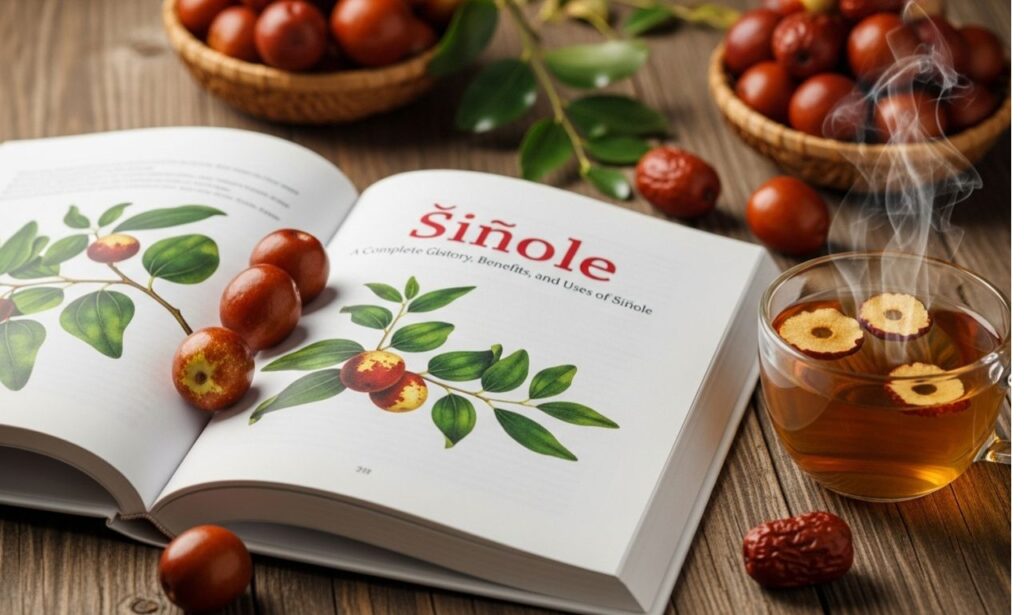
Žižole is gaining global attention for its rich cultural history, nutritional value, and diverse uses. In many regions, žižole has long been recognized as a traditional fruit that symbolizes wellness, longevity, and natural healing. In this article, we explore the origins of žižole, its health benefits, culinary applications, farming practices, economic significance, and its role in modern nutrition and wellness trends.
Introduction to Žižole
The term žižole typically refers to the jujube fruit, known in many cultures as a symbol of vitality and nourishment. For centuries, žižole has been cultivated and appreciated for its sweetness, resilience, and medicinal qualities. In recent years, as natural superfoods grow in popularity, žižole has earned renewed recognition for its nutritional richness and adaptable uses in food, traditional medicine, and modern wellness industries.
History and Cultural Significance of Žižole
Origins of Žižole
The history of žižole dates back thousands of years. Ancient civilizations in Asia widely cultivated this fruit, not only for its flavor but also for its believed therapeutic properties. The plant was later introduced to Europe and the Middle East, becoming a part of local food and herbal traditions.
Žižole in Traditional Practices
In many cultures, žižole has deep symbolic meaning. It is considered a fruit of peace, strength, and long life. Traditional healers used žižole for remedies aimed at reducing stress, boosting digestion, and improving sleep patterns. These cultural associations continue to influence how the fruit is used today.
Nutritional Value and Health Benefits of Žižole
Key Nutrients in Žižole
Modern research highlights the impressive nutritional profile of žiž-ole. The fruit contains:
-
Vitamin C, which boosts immunity
-
Dietary fiber, which supports digestion
-
Antioxidants, which help reduce oxidative stress
-
Minerals such as potassium and magnesium
These nutrients contribute to why žiž-ole is commonly included in health-conscious diets.
Health Benefits of Žižole
Some notable health benefits include:
1. Boosting Immunity
With high vitamin C levels, žiž-ole supports immune function, helping the body fight off infections naturally.
2. Improving Digestive Health
The fiber-rich composition of žiž-ole promotes healthy digestion, reduces constipation, and supports gut balance.
3. Supporting Better Sleep
Traditional medicine often uses žiž-ole to calm the mind and promote restful sleep. Certain compounds in the fruit may help ease stress and encourage relaxation.
4. Enhancing Skin Health
Antioxidants found in žiž-ole help improve skin texture, slow aging, and protect the skin against environmental damage.
Culinary Uses of Žižole
Fresh Uses of Žižole
Fresh žiž-ole can be eaten directly as a snack. Its flavor ranges from mildly sweet to richly fruity, depending on ripeness. In some regions, it is added to salads or served with nuts and cheese for a balanced appetizer.
Dried Žižole in Recipes
Dried žiž-ole is a versatile ingredient. It can be used in:
-
Herbal teas
-
Desserts
-
Energy bars
-
Traditional sweets
-
Soups and stews
The drying process intensifies sweetness, making dried žiž-ole a natural alternative to processed sugar.
Žižole in Modern Cooking
Many contemporary chefs have incorporated žiž-ole into innovative recipes such as:
-
Fusion desserts
-
Healthy smoothies
-
Gourmet sauces
-
Baked goods
This combination of tradition and innovation keeps žiž-ole relevant in today’s evolving culinary world.
Žižole Farming and Cultivation Practices
Climate and Soil Needs for Žižole
Growing žiž-ole requires minimal resources, making it ideal for regions with limited water. The tree thrives in warm climates and well-drained soil.
Benefits for Farmers
Farmers benefit from cultivating žiž-ole because:
-
The plant is drought-resistant.
-
Maintenance costs are low.
-
The fruit has a stable market demand.
-
It can be harvested for both fresh and dried uses.
These advantages make žiž-ole a profitable and low-risk crop.
Economic Value and Market Demand for Žižole
Global Market Trends
As consumer interest in natural and nutrient-dense foods grows, the demand for žiž-ole continues to rise. International markets recognize it as a premium fruit due to its health benefits and adaptable uses.
Role in Local Economies
In many rural areas, žiž-ole farming contributes significantly to household income. Small-scale farmers often rely on this crop to earn seasonal profits and support long-term agricultural sustainability.
Žižole in Modern Wellness and Lifestyle Trends
Žiž-ole as a Superfood
Thanks to its impressive nutrient profile, consumers often turn to it as a natural source of vitamins and antioxidants. Moreover, its role in plant-based and holistic nutrition has become increasingly important. Because people are prioritizing clean and natural foods, žižole easily fits into modern health-focused lifestyles.
Use in Supplements and Herbal Products
Beyond its culinary value, žižole plays a significant role in supplement and herbal product markets. Many wellness brands now include žižole extracts in formulas designed to support sleep, reduce stress, and improve immunity. Additionally, its natural compounds appeal to individuals seeking alternatives to synthetic supplements. As a result, žižole continues to gain recognition as a reliable ingredient in both traditional and modern wellness practices.
Challenges and Future Potential of Žižole
Challenges in Production
Despite its benefits, the žiž-ole industry faces challenges such as limited global awareness, inconsistent quality control, and lack of advanced cultivation research in some regions.
Future Opportunities
With proper marketing, improved farming methods, and expanded research, žiž-ole has the potential to become a widely recognized fruit in global nutrition markets. As consumers shift toward organic and natural foods, žiž-ole’s popularity may increase even more.
Conclusion
The rich history, impressive health benefits, and diverse uses of žiž-ole make it more than just a traditional fruit. It represents a bridge between ancient knowledge and modern wellness trends. Whether enjoyed fresh, dried, cooked, or used in supplements, žiž-ole continues to offer value for consumers, farmers, and entire communities.