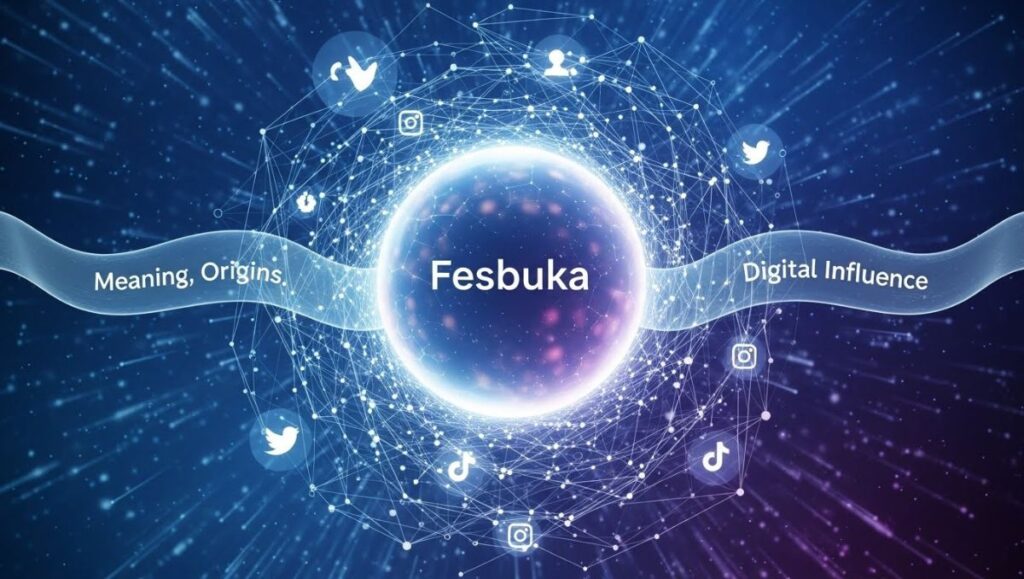
The digital world evolves rapidly, and with it comes a wave of new words, cultural expressions, and online-inspired terminology. One of the latest terms gaining attention across social conversations and emerging digital spaces is Fesbuka. Though playful in sound, its growing usage reflects deeper themes in modern communication, online identity, and global digital culture.
In this article, we explore the meaning, interpretations, and cultural relevance of Fesbuka—a unique term that stands at the intersection of social expression, internet creativity, and evolving digital language.
What Is Fesbuka?
The word Fesbuka appears to be a phonetic or stylized variation inspired by the global concept of social interaction in the digital age. It often reflects:
-
online social experiences
-
digital identity
-
playful reinterpretation of social networking culture
-
a more informal, localized, or culturally adapted expression of an online community
Because the term is emerging, its meaning isn’t locked into a single definition. Instead, it is shaped by how users adopt and personalize it in different contexts. This flexibility makes the term uniquely powerful in digital language.
Why the Term Fesbuka Is Becoming Popular
The rise of Fesbuka can be linked to several cultural and linguistic trends happening online:
1. Creative Linguistic Expression Online
In many communities, especially multilingual ones, people enjoy rewriting or reshaping English-based digital terms into their own linguistic styles. Fesbuka fits this trend because it:
-
feels familiar yet distinct
-
has a fun, conversational sound
-
can be used casually in digital environments
2. Cultural Adaptation of Global Digital Concepts
Digital platforms impact nearly every country and culture. Naturally, people adapt terminology in ways that feel native to them. Fesbuka may be:
-
a cultural reinterpretation of a recognizable digital word
-
a localized pronunciation
-
a stylized version used for humor or conversation
This adaptation is part of how global communication evolves.
3. The Rise of Digital Slang
Modern internet language thrives on:
-
quick expressions
-
humorous variations
-
simplified speech
-
creative transliterations
Fesbuka fits perfectly within digital slang culture, making it easy to adopt in chats, comments, memes, and online discussions.
Possible Meanings and Interpretations of Fesbuka
Because the word is not restricted to one definition, users can interpret Fesbuka in multiple meaningful ways. These interpretations help explain why it resonates so easily across online spaces.
1. A Symbol for Online Social Interaction
Fes-buka can represent the entire idea of:
-
connecting with others
-
sharing personal updates
-
expressing oneself publicly
-
being part of an online community
In this sense, the word becomes bigger than itself—it becomes symbolic of social networking culture.
2. A Playful Cultural Term
In many languages, adding suffixes or altering pronunciation creates humorous or friendly versions of popular words. Fesbuka can be used:
-
in jokes
-
in informal speech
-
in memes
-
as a cultural in-joke
This playful tone is a major factor in its spread.
3. A Representation of Digital Identity
Digital identity today includes:
-
profiles
-
online interactions
-
personal expression
-
digital storytelling
Fesbuka can represent that space—your digital corner of the world.
4. A Reference to Modern Communication Trends
The way people talk online shapes the evolution of global speech. Fesbuka reflects these trends, showing how digital culture blends languages, humor, and identity.
How Fesbuka Is Used in Online Culture
Although the term is flexible, several common uses appear across online spaces.
1. Humor and Memes
Fesbuka frequently appears in humorous contexts because:
-
it sounds playful
-
it carries social meaning
-
it can be used sarcastically or ironically
Memes often use such variations to create comedic effects.
2. Conversational Shortcuts
Users may use Fesbuka to refer informally to:
-
digital interactions
-
posting updates
-
checking social feeds
The casual tone makes the term fit naturally into everyday online speech.
3. Cultural Localization
Communities often adopt digital terms and mold them to fit their linguistic habits. Fesbuka is a perfect example of this global-local blend.
4. Representing Online Presence
Fesbuka can symbolize how someone interacts online, such as:
-
sharing content
-
maintaining connections
-
building digital identity
It reflects the modern shift toward online self-expression.
Why Words Like Fesbuka Matter
Online terminology doesn’t evolve randomly—it reflects deeper processes:
1. Global Connectivity
Digital spaces unite people worldwide, but language adapts to maintain cultural authenticity.
2. Creativity in Communication
Users continually reinvent language to stay expressive, relevant, and humorous.
3. Identity Through Language
People choose words that reflect their background, voice, and online personality.
4. Cultural Evolution
New terms like Fesbuka show how digital culture influences and reshapes everyday language.
The Future of Fesbuka
As digital communities grow, creative terms like Fesbuka will likely become even more popular. Possible future directions include:
-
broader use in memes
-
integration into youth culture
-
becoming part of digital slang dictionaries
-
serving as inspiration for creative branding
-
evolving into a symbol for online social identity
Because the term feels modern yet adaptable, it is well-positioned to continue spreading across online spaces.
Final Thoughts
Fesbuka is more than just a playful digital term—it represents the creativity, humor, and cultural blending that define the modern online world. Its rising use shows how people take global digital experiences and reshape them to express identity, community, and connection.
As language continues to evolve with technology, Fesbuka stands as a perfect example of how digital culture inspires new forms of expression. Whether used humorously, casually, or symbolically, the term embodies the spirit of today’s global, interconnected, and creative communication landscape.