
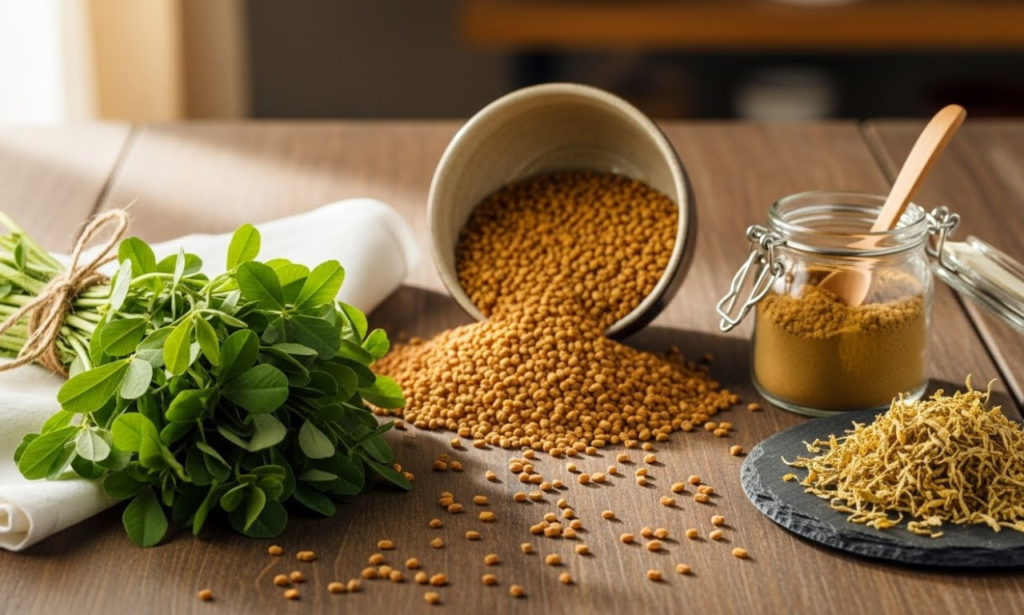
Foenegriek, commonly known as fenugreek, is a well-known herb valued for centuries for its nutritional, medicinal, and culinary uses. Originating from the Mediterranean region and South Asia, foenegriek has earned a strong reputation in traditional medicine and modern wellness practices alike. Thanks to its rich nutrient profile and versatile applications, this herb continues to play an important role in natural health and everyday cooking.
What Is Foenegriek?
Foenegriek (Trigonella foenum-graecum) is a plant belonging to the legume family. Its seeds and leaves are widely used across different cultures. While the seeds are most commonly associated with health remedies and spices, the leaves are often consumed as a vegetable or herb in various cuisines.
The name “foenegriek” is widely used in Dutch and European contexts, whereas “fenugreek” is the English term. Despite the name difference, the plant and its benefits remain the same.
Nutritional Value of Foenegriek
Foenegriek is packed with essential nutrients that support overall health. The seeds contain a combination of fiber, protein, vitamins, and minerals that contribute to their therapeutic value.
Key nutrients found in foenegriek include:
-
Dietary fiber
-
Iron and magnesium
-
Vitamin B6
-
Antioxidants
-
Plant-based proteins
Because of this nutrient density, foenegriek is often considered a functional food rather than just a spice.
Health Benefits of Foenegriek
Supports Digestive Health
One of the most well-known benefits of foenegriek is its positive effect on digestion. Its high fiber content helps regulate bowel movements and supports gut health. Traditionally, it has been used to relieve bloating, constipation, and indigestion.
Helps Regulate Blood Sugar Levels
Foenegriek is widely studied for its role in supporting healthy blood sugar levels. The soluble fiber in the seeds slows down carbohydrate digestion and absorption, which can help maintain balanced glucose levels. For this reason, it is often included in natural wellness routines for people managing blood sugar concerns.
Promotes Heart Health
Regular consumption of foenegriek may contribute to improved heart health. The herb is known to support healthy cholesterol levels by reducing LDL (bad cholesterol) while promoting HDL (good cholesterol). This effect helps lower the risk of cardiovascular issues over time.
Supports Hormonal Balance
Foenegriek has long been associated with hormonal support and is traditionally used to promote milk production in breastfeeding women while supporting overall hormonal balance.Additionally, some people use it to enhance vitality and well-being.
Anti-Inflammatory and Antioxidant Properties
Moreover, thanks to its antioxidant compounds, foenegriek helps combat oxidative stress in the body. As a result, these properties may support the immune system and, at the same time, help reduce inflammation, thereby contributing to better long-term health.
Culinary Uses of Foenegriek
Beyond its health benefits, foenegriek plays a significant role in global cuisine. Its unique flavor—slightly bitter with nutty and maple-like notes—adds depth to many dishes.
Common Culinary Applications
-
Spice blends and curry powders
-
Vegetable and lentil dishes
-
Bread and savory pastries
-
Herbal teas
The leaves, often referred to as fresh or dried fenugreek leaves, are popular in Indian, Middle Eastern, and Mediterranean cooking.
Traditional and Modern Uses
Foenegriek has a long history in traditional medicine systems such as Ayurveda and traditional Chinese medicine. It has been used to support digestion, strength, and overall vitality.
In modern times, foenegriek is widely available in various forms, including:
-
Whole seeds
-
Powdered supplements
-
Capsules
-
Herbal teas
This variety makes it easy to incorporate foenegriek into daily routines based on individual preferences.
How to Use Foenegriek Safely
Although foene-griek is generally safe when consumed in moderate amounts, it is important to use it responsibly.
Tips for safe use:
-
Start with small amounts to assess tolerance
-
Avoid excessive intake
-
Consult a healthcare professional if pregnant or on medication
-
Moderation ensures that people can enjoy the benefits of foene-griek without experiencing unwanted side effects.
Foenegriek in Natural Beauty and Wellness
Foene-griek is also valued in natural beauty treatments. Its soothing and nourishing properties make it popular in homemade skincare and hair care remedies.
Common beauty uses include:
-
Hair masks to promote strength and shine
-
Skin pastes for a healthy glow
-
Herbal rinses for scalp care
These traditional uses continue to gain popularity as more people turn to natural beauty solutions.
Environmental and Cultural Significance
Foene-griek is a resilient plant that grows well in various climates, making it an environmentally sustainable crop. Culturally, many regions value it not only for health and food but also for rituals and traditional practices
Its widespread use highlights the deep connection between natural herbs and human well-being.
Conclusion
Foene-griek is far more than a simple herb. With its impressive nutritional profile, wide-ranging health benefits, and culinary versatility, it remains a valuable natural resource across cultures. Whether used in cooking, wellness routines, or traditional remedies, foene-griek continues to support a balanced and healthy lifestyle. As interest in natural and plant-based solutions grows, foene-griek stands out as a timeless and trusted choice.